Measure Local Citation Cleanup Improves Business Search Visibility
Wiki Article
Measure local citation cleanup is a fundamental practice for businesses aiming to keep accurate online information. Inconsistent Name, Address, and Phone number data across directories can confuse customers and weaken local search performance. Regular monitoring and correction ensures that search engines and users locate reliable details. This sequence supports overall digital marketing effectiveness and brand credibility.
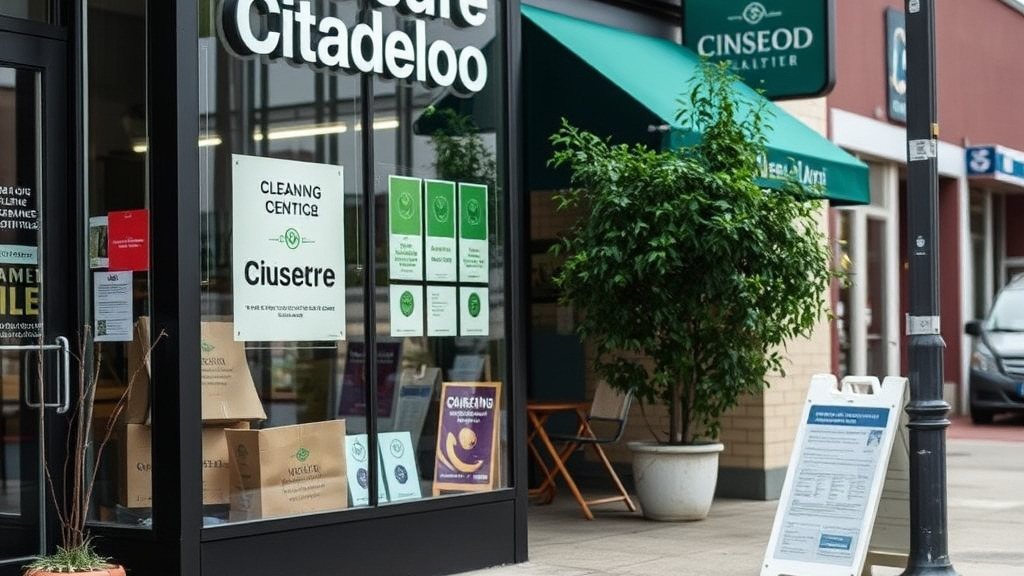
Measure local citation cleanup audit steps
An effective audit begins with identifying all current citations across significant platforms and niche directories. Business owners should compile a complete list and compare specifics against their official records. Discrepancies must be documented and prioritized for correction according to visibility and authority. A systematic approach reduces the risk of duplicate or outdated information affecting search rankings.
- Verify that the business name, address, and phone number match exactly across every discovered listing
- Check each citation for correct business category, operating hours, and website URL before updating
- Document every change made and the source URL in a spreadsheet to track progress and maintain consistency
This list represents the practical steps needed to standardize and correct every business listing discovered during an audit. In tradition, it means systematically reviewing each citation against your official records to ensure the business name, address, and phone number match exactly across all platforms. It entails checking categories, hours, and URLs for accuracy before updating them through official channels. Documenting every change in a spreadsheet tracks progress and maintains consistency, while prioritizing high-authority directories ensures the cleanup effort enhances search rankings and protects your online reputation.
1
Verified citations require steady formatting and accurate categorization. After initial discovery, each listing should be checked for correct business name, exact street address, and matching phone number. Updates must be submitted through official channels to ensure permanence. Keeping a regular review schedule prevents future drift and supports ongoing local search stability.
The audit process also involves assessing the quality and relevance of each citation source. High-authority directories provide more value than low-quality or unrelated sites. Removing or noindexing spammy links protects the business's reputation and indexing health. Prioritizing reputable sources maximizes the return on cleanup efforts.
Measure local citation cleanup tracking methods
Tracking progress after the initial correction is essential for sustained findings. Tools that automate monitoring can alert managers to changes or new listings that appear. Regular reports help pinpoint trends and measure the impact on local search visibility. Data-driven adjustments keep the citation profile aligned with business goals.
- Use automated monitoring tools to detect new or changed citations without delay
- Review weekly or monthly reports to track citation count, accuracy rate, and ranking movement
- Integrate data with analytics platforms to evaluate impact on local search visibility and adjust approach accordingly
Numbered lists support organized tracking of central metrics such as citation count, accuracy rate, and ranking movement. Weekly or monthly reviews allow for quick identification of issues before they escalate. Integration with analytics platforms provides a full picture of local search performance. Consistent tracking transforms a one-time fix into an ongoing optimization method.
Effective tracking also includes setting clear benchmarks and goals for improvement. Businesses should define what success looks like in terms of citation consistency and local rankings. Comparing results over time reveals the effectiveness of the cleanup approach. This ongoing discipline helps ensure that local search efforts continue to be competitive and reliable.
Measure local citation cleanup best practices
Adopting best practices streamlines the ongoing maintenance of citation health. Steady use of a standard business format across all platforms decreases errors and confusion. Automated services can assist with routine checks, but manual verification remains important for accuracy. A balanced method combines technology with human oversight for optimal results.
- Standardize your business name, address, and phone number format across all platforms before beginning cleanup
- Audit each citation individually for accuracy, verifying for duplicates, outdated hours, or incorrect categories
- Use a tracking spreadsheet to document changes and verify corrections after submission
Numbered lists guide users through specific actions such as updating hours, responding to evaluations, and adding photos. These elements elevate user engagement and reinforce the correctness of the business information. Frequently updating content keeps the listing newly prepared and attractive to both customers and search engines. Keeping an active presence supports better nearby search performance over time.
Consistent monitoring and prompt updates are the cornerstone of a successful citation method. Businesses that invest in regular cleanup see enhanced visibility and higher conversion rates from neighborhood searches. The effort invested in preserving accurate information pays off in increased foot traffic and online inquiries. A proactive strategy to citation management is essential for long-term digital marketing success.
Measure local citation cleanup represents an ongoing commitment to accuracy and visibility in local search. By systematically auditing, tracking, and applying best routines, businesses can maintain a solid and trustworthy online presence. This discipline not only improves search rankings but also improves the customer experience. Consistent effort in this area yields measurable benefits for any local business seeking growth.
Find out more on - ein presswire press release distribution
Report this wiki page